
Wheel Offset Calculator
Current Front Setup
New Front Setup
Current Rear Setup
New Rear Setup
Front

Rear

How This Calculator Works
This wheel offset calculator works by entering your current wheel width and offset, then the specs of the wheel you’re considering. The wheel fitment calculator handles both front and rear axles independently, so staggered setups are fully supported. Results update in real time as you type.
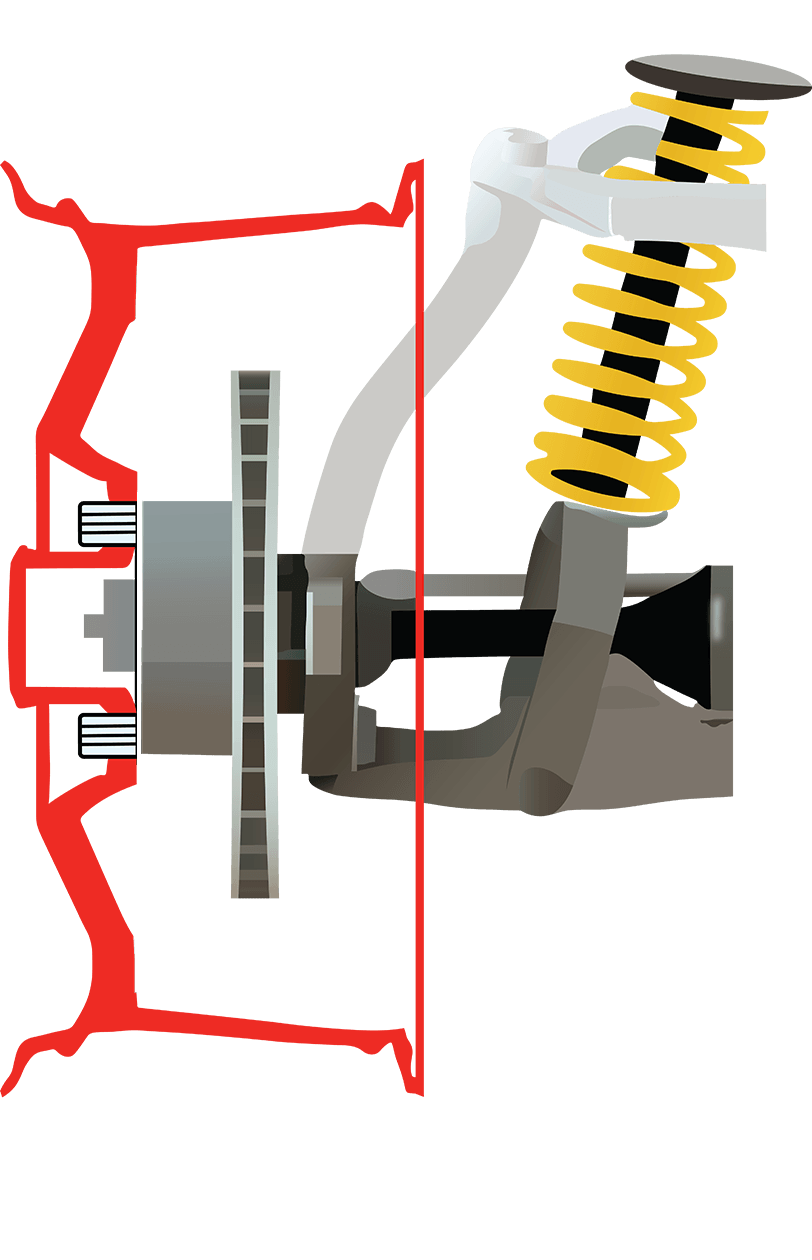
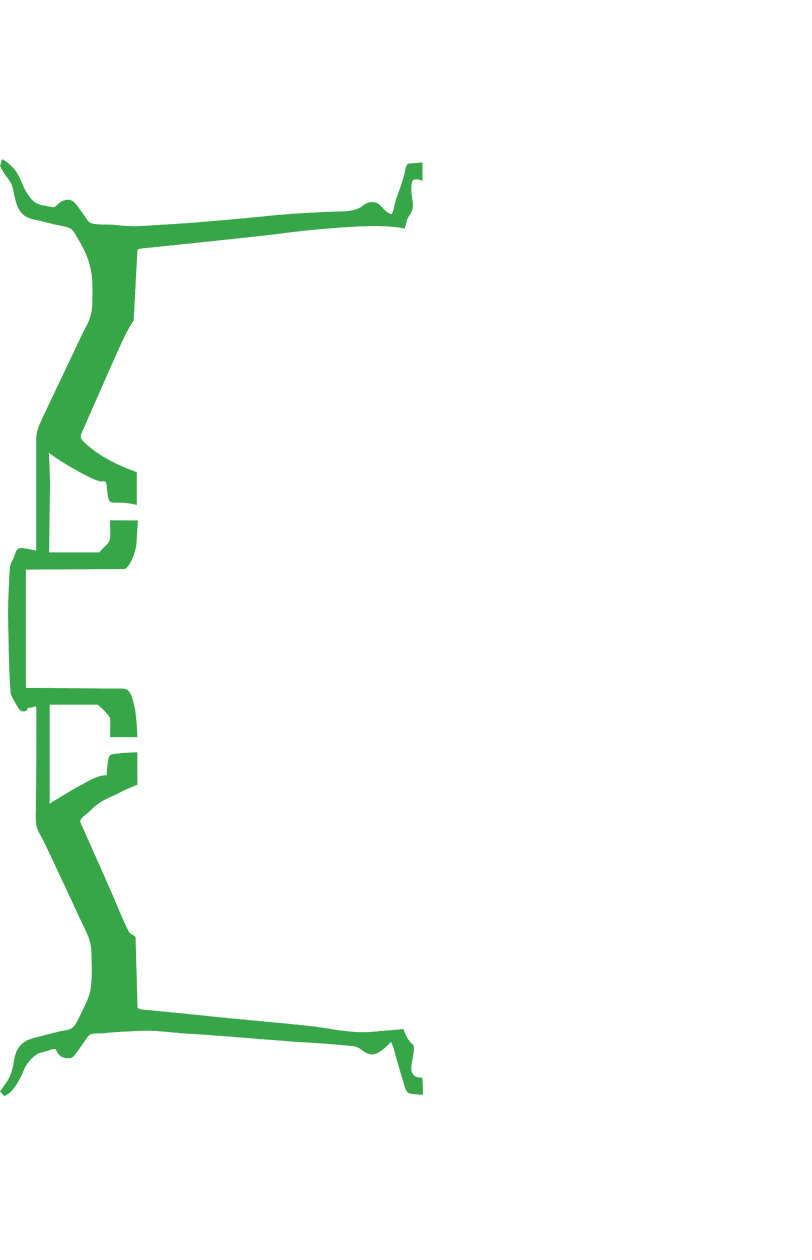
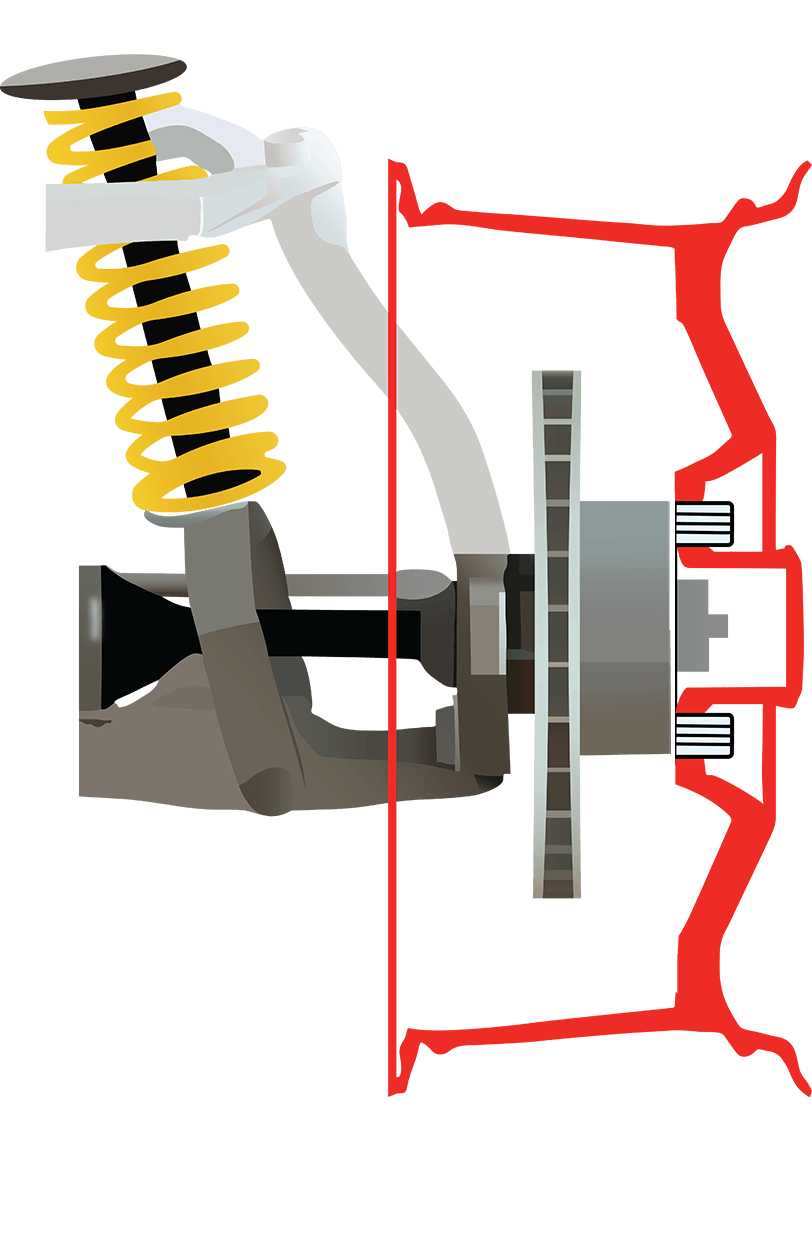
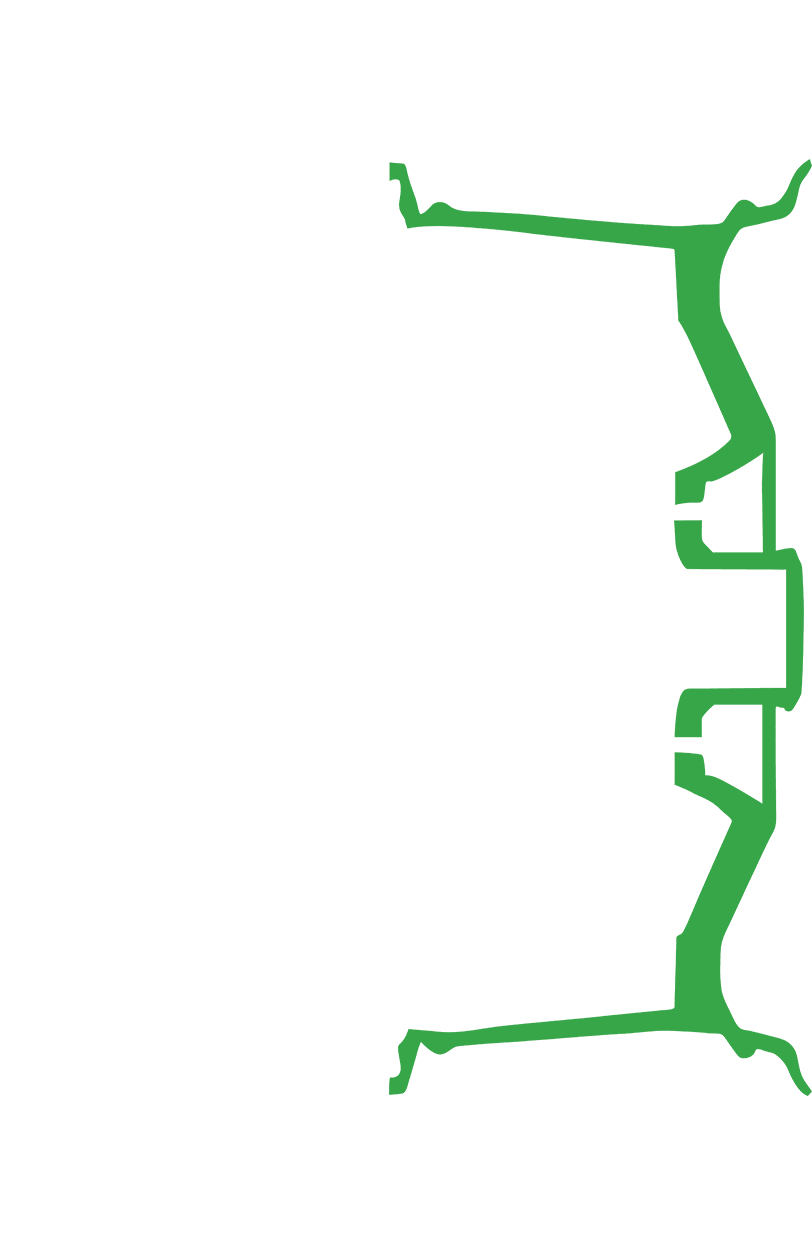
The fitment preview shows your current wheel position in red and the proposed wheel in green, both anchored to a fixed hub face. That visual shift represents real-world movement: how far the outer edge moves toward the fender, and how much inner clearance you gain or lose toward the strut housing.
Here’s what each result tells you:
- Outer edge (fender poke side): How much the wheel’s outer lip moves outward or inward relative to your current setup, measured in millimeters.
- Inner clearance (strut housing side): How the inner lip shifts in relation to suspension components, also in millimeters.
- Outer and inner position from hub: Absolute distances from the hub mounting face to each edge of the wheel, for both current and new specs.
- Backspacing: Calculated in inches using the bead-to-edge convention — the distance from the hub mounting surface to the inner edge of the wheel barrel.
- Net track change per side: The combined effect of width and offset changes on your track width.
All figures are planning references. Always verify final clearances against your specific suspension, brake package, and fender geometry before purchasing.
Looking for verified fitment for your Ford Mustang and more? Check out our dedicated fitment guides:
What is Wheel Offset?
Wheel offset is the distance, measured in millimeters, between a wheel’s centerline and its hub mounting surface. It determines where the wheel sits laterally within the wheel well, and it’s one of the most consequential specs you’ll deal with when choosing aftermarket wheels.
Positive offset means the hub mounting face sits outboard of the wheel’s centerline, pushing the wheel inward toward the vehicle. Negative offset does the opposite, moving the wheel outward for more poke. Zero offset means the hub face and the centerline are the same plane.
Most modern passenger cars and performance vehicles run positive offset. On a Ford Mustang S550, for example, factory front offset sits around +40mm. Drop to +22mm on a wider wheel and the outer edge moves noticeably outboard — that’s the combination of width and offset working together.
Changing offset without accounting for wheel width is where fitment plans fall apart. A wider wheel at the same offset still pushes the outer edge further out, because the barrel itself is larger. The calculator accounts for both variables simultaneously.
The Formula: Offset (mm) = Hub Mounting Surface Position – Wheel Centerline Position
What is Wheel Backspacing?
Backspacing is the distance from the hub mounting surface to the inner edge of the wheel barrel, measured in inches. While offset describes position relative to centerline, backspacing measures how much of the wheel sits behind the hub face, toward the vehicle’s suspension components.
A wheel with more backspacing tucks further inward. Less backspacing means more of the wheel barrel extends outward, which reduces the clearance available between the inner lip and the strut housing, control arms, and brake hardware. Both measurements describe the same physical reality — they’re just different reference points for the same geometry.
Backspacing tends to be more common in the truck and off-road world, while offset is the standard reference for performance and European vehicles. When specs are listed in inches rather than millimeters, backspacing is usually the measurement being used. This calculator displays both, so you’re covered regardless of how the spec sheet is written.
The Formula: Backspacing (in) = (Wheel Width / 2 + 1) + (Offset mm / 25.4)
| Rim Width |
Backspacing | ||||||||||||||||
|---|---|---|---|---|---|---|---|---|---|---|---|---|---|---|---|---|---|
| 3.25" | 3.5" | 3.75" | 4" | 4.25" | 4.5" | 4.75" | 5" | 5.25" | 5.5" | 5.75" | 6" | 6.25" | 6.5" | 6.75" | 7" | 7.25" | |
| 5.5" | 0 | +6 | +13 | +19 | +25 | +32 | +38 | +44 | +51 | +57 | – | – | – | – | – | – | – |
| 6" | -6 | 0 | +6 | +13 | +19 | +25 | +32 | +38 | +44 | +51 | +57 | – | – | – | – | – | – |
| 6.5" | -13 | -6 | 0 | +6 | +13 | +19 | +25 | +32 | +38 | +44 | +51 | +57 | – | – | – | – | – |
| 7" | -19 | -13 | -6 | 0 | +6 | +13 | +19 | +25 | +32 | +38 | +44 | +51 | +57 | – | – | – | – |
| 7.5" | -25 | -19 | -13 | -6 | 0 | +6 | +13 | +19 | +25 | +32 | +38 | +44 | +51 | +57 | – | – | – |
| 8" | -32 | -25 | -19 | -13 | -6 | 0 | +6 | +13 | +19 | +25 | +32 | +38 | +44 | +51 | +57 | – | – |
| 8.5" | -38 | -32 | -25 | -19 | -13 | -6 | 0 | +6 | +13 | +19 | +25 | +32 | +38 | +44 | +51 | +57 | – |
| 9" | -44 | -38 | -32 | -25 | -19 | -13 | -6 | 0 | +6 | +13 | +19 | +25 | +32 | +38 | +44 | +51 | +57 |
| 9.5" | -51 | -44 | -38 | -32 | -25 | -19 | -13 | -6 | 0 | +6 | +13 | +19 | +25 | +32 | +38 | +44 | +51 |
| 10" | -57 | -51 | -44 | -38 | -32 | -25 | -19 | -13 | -6 | 0 | +6 | +13 | +19 | +25 | +32 | +38 | +44 |
| 10.5" | -64 | -57 | -51 | -44 | -38 | -32 | -25 | -19 | -13 | -6 | 0 | +6 | +13 | +19 | +25 | +32 | +38 |
| 11" | -70 | -64 | -57 | -51 | -44 | -38 | -32 | -25 | -19 | -13 | -6 | 0 | +6 | +13 | +19 | +25 | +32 |
| 11.5" | -76 | -70 | -64 | -57 | -51 | -44 | -38 | -32 | -25 | -19 | -13 | -6 | 0 | +6 | +13 | +19 | +25 |
| 12" | -83 | -76 | -70 | -64 | -57 | -51 | -44 | -38 | -32 | -25 | -19 | -13 | -6 | 0 | +6 | +13 | +19 |
| 14" | – | -102 | -95 | -89 | -83 | -76 | -70 | -64 | -57 | -51 | -44 | -38 | -32 | -25 | -19 | -13 | -6 |
| 16" | – | – | – | – | – | -102 | -95 | -89 | -83 | -76 | -70 | -64 | -57 | -51 | -44 | -38 | -32 |
| 18" | – | – | – | – | – | – | – | – | – | -102 | -95 | -89 | -83 | -76 | -70 | -64 | -57 |
Project 6GR Wheels
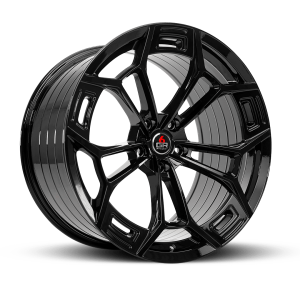
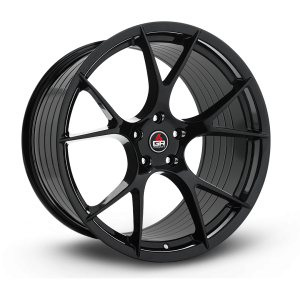
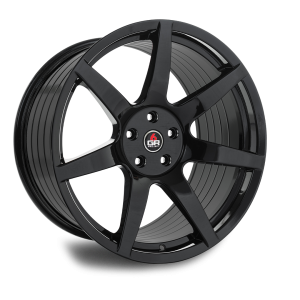
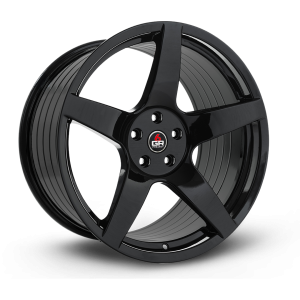
The numbers above help you compare setup changes, but the wheel itself still needs to match the rest of the build. Browse the Project 6GR wheel collection to compare styles, construction types, and finishes across our current lineup. If you already know your width and offset targets, this is the easiest way to narrow the search before you move into fitment details.
FAQs
Please read our FAQs page to get more answers.
They measure the same thing from different reference points. Offset is the distance from the wheel's centerline to the hub mounting face, expressed in millimeters. Backspacing is the distance from the hub mounting face to the inner barrel edge, expressed in inches. Converting one to the other requires knowing the wheel width, which is why this calculator shows both outputs simultaneously.
An offset that's too low (too much poke) can cause the tire to contact the fender or fender liner under compression or during a turn. An offset that's too high pulls the wheel inward and risks contact between the inner barrel and suspension components like the strut housing or control arms. Either scenario can cause rubbing, accelerated tire wear, or handling issues. The tighter the wheel well clearances on your specific platform, the less margin for error.
The offset number itself doesn't change, but the fitment result does. A wider wheel at the same offset pushes the outer edge further out and pulls the inner edge further in. Both shift proportionally as the barrel grows. This is exactly why evaluating width and offset together matters, and why the calculator takes both inputs.
Positive offset means the hub mounting face is positioned outboard of the wheel's centerline. Most performance cars, sedans, and crossovers use positive offset. Negative offset means the hub face sits inboard of the centerline, which is typical of trucks and off-road vehicles running wide, aggressive fitments. Zero offset means the hub face and centerline are the same plane.
Yes. The calculator has independent front and rear axle inputs, so you can enter different widths and offsets for each end of the car. Results are calculated and displayed separately per axle. Staggered fitments are common on rear-wheel-drive performance platforms where the rear runs a wider and often lower-offset wheel than the front.
The calculator produces mathematically precise results based on the numbers you enter. What it cannot account for is the mechanical reality of your specific vehicle: suspension geometry under load, brake caliper clearance, fender liner shape, or any suspension modifications already in place. Use the results as a starting point for planning, then confirm final fitment against your actual setup before ordering.
No. The underlying geometry is universal. Width and offset are standard measurements across all wheel and vehicle types, so the calculator works for any application: muscle car, European performance, track build, or daily driver. Enter your specs and the math is the same regardless of platform.
Each wheel in the Project 6GR collection is listed with specific diameter, width, and offset options developed for the platforms we support. If you've run the numbers here and want to see what's available for your build, the wheel collection is the next step.
Still Need Fitment Help?
Our experts will help get your vehicle dialed in.
Expert Support
Available Monday-Friday, 8 AM-5 PM PST to answer your questions
Guaranteed Fitment
Our wheel specialists verify every fitment to ensure a precise match
Fast Shipping
Fast shipping on all orders within the continental U.S.
Secure Checkout
Your payment information is encrypted and processed securely
Expert Support
Available Monday-Friday, 8 AM-5 PM PST to answer your questions
Guaranteed Fitment
Our wheel specialists verify every fitment to ensure a precise match
Fast Shipping
Fast shipping on all orders within the continental U.S.
Secure Checkout
Your payment information is encrypted and processed securely

