
Wheel Safety & Care
Your Project 6GR wheels are engineered for performance and built to last. Proper care protects your investment and maintains both appearance and structural integrity over years of driving. Understanding what makes our wheels safe and how to maintain them ensures you get the most from your purchase. This page covers our safety certifications and the care practices that keep your wheels performing and looking their best.
JWL
JWL (Japanese Light Alloy Wheel Standard) certification verifies that wheels meet rigorous structural and durability standards established by the Japanese government. The testing process includes radial fatigue tests simulating vertical loads from driving, cornering fatigue tests replicating lateral forces during turns, and impact tests mimicking pothole strikes and road hazards. Wheels must pass all tests without failure to earn JWL certification. This ensures our wheels can handle real-world stress from daily driving to track use without structural compromise or safety concerns.

VIA
VIA (Vehicle Inspection Association) certification goes beyond basic structural testing to verify dimensional accuracy, material composition, and manufacturing consistency. The association inspects production processes, confirms that wheels meet exact specifications for hub bore, bolt patterns, and offset tolerances, and validates material quality throughout the manufacturing process. This certification ensures every wheel leaving our facility matches engineering specifications precisely. The result is proper fitment, balanced performance, and reliability across every wheel we produce regardless of batch or production date.

JAWA
JAWA (Japan Light Alloy Wheel Association) represents the highest tier of wheel certification available, combining structural testing with performance validation and long-term durability assessment. Wheels undergo extended fatigue testing beyond standard requirements, real-world simulation testing for various driving conditions, and quality audits of manufacturing facilities and processes. JAWA certification confirms our wheels perform safely under extreme conditions including sustained high-speed driving, aggressive cornering loads, and repeated thermal cycling from braking. Having JAWA certification alongside JWL and VIA demonstrates our commitment to exceeding minimum safety standards.

Strength Test Statements & Certificates
Wheel Care & Maintenance
Clean your wheels every 1-2 weeks during normal driving, more frequently with aggressive driving or harsh conditions. Brake dust contains metal particles that bond to surfaces with heat, making removal harder over time and potentially damaging finishes.
Cleaning Frequency & Method
Clean your wheels every 1-2 weeks during normal driving, more frequently with aggressive driving or harsh conditions. Brake dust contains metal particles that bond to surfaces with heat, making removal harder over time and potentially damaging finishes.
Proper Cleaning Technique:
- Ensure wheels are completely cool to the touch
- Rinse thoroughly with water to remove loose debris
- Apply pH-neutral wheel cleaner formulated for aftermarket wheels
- Let cleaner dwell according to product instructions (typically 30-60 seconds)
- Agitate with soft microfiber mitt or dedicated wheel brush
- Rinse completely, ensuring no cleaner residue remains
- Dry with clean microfiber towels to prevent water spots
What to Avoid:
- Acidic wheel cleaners, oven cleaner, or industrial degreasers
- Steel wool, abrasive scrub pads, or stiff-bristled brushes
- Automatic car washes with spinning brushes
- Pressure washers at close range or high PSI settings
- Cleaning wheels while hot from driving
- Household cleaners not designed for wheels

Protective Coatings
Sealants and ceramic coatings create a barrier against brake dust, road grime, and environmental contaminants while making future cleaning easier.
Pre-Shipment Ceramic Coating Service
Project 6GR offers an in-house ceramic coating application for your new wheels before they leave our facility. Your wheels will be professionally coated, allowed to fully cure, and shipped out to you pre-protected and ready to install. This premium service is available as an add-on during checkout, ensuring your investment is protected from day one.
Application Guidelines:
- Apply only to clean, completely dry wheels
- Use products compatible with your specific wheel finish
- Follow manufacturer instructions for application and curing time
- Reapply sealants every 1-3 months depending on driving conditions
- Consider ceramic coatings for longer-lasting protection (6-12 months)
Winter & Harsh Environment Care
Road salt and de-icing chemicals are highly corrosive and work quickly on metal surfaces. Coastal salt air accelerates corrosion year-round.
Protection Strategies:
- Increase cleaning frequency to weekly or after every snowy/salty drive
- Remove salt and chemicals as soon as possible after exposure
- Apply protective coatings before winter season begins
- Consider dedicated winter wheels to preserve your Project 6GR wheels
- Inspect regularly for early signs of finish deterioration
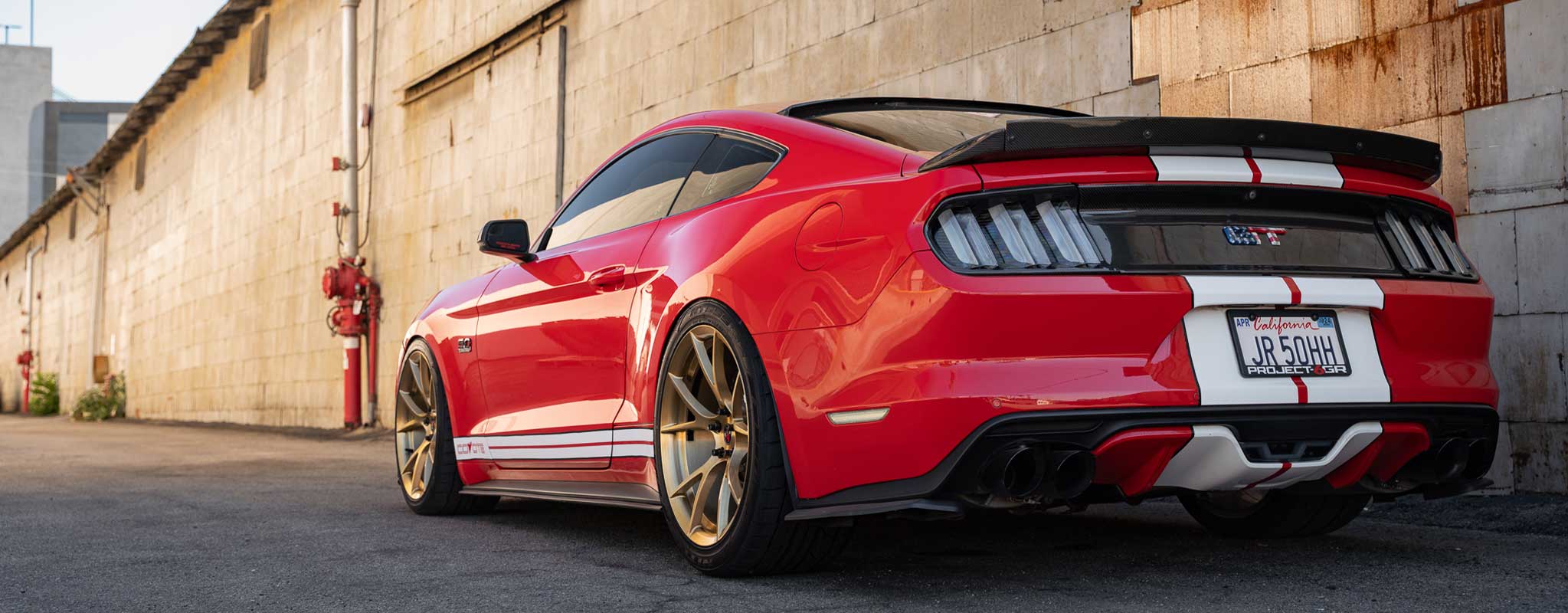
Regular Inspection
Check wheels during each cleaning for potential issues. Early detection prevents minor problems from becoming major expenses.
What to Look For:
- Cracks, bends, or deformation (especially after hitting potholes)
- Finish bubbling, peeling, or corrosion starting points
- Deep gouges or curb damage exposing bare metal
- Loose hardware on two-piece wheels
- Gaps developing between face and barrel components
Contact us or visit an authorized dealer immediately if you notice structural damage or spreading finish failure.
Storage Best Practices
If storing wheels seasonally, proper storage prevents finish degradation and ensures they’re ready when needed.
How-To Store Your Wheels:
- Clean thoroughly and remove all brake dust, dirt, and contaminants
- Dry completely to prevent moisture issues
- Store in climate-controlled environment away from extreme temperatures
- Stack horizontally with padding between each wheel, or hang individually
- Cover with breathable cloth bags or covers (not plastic that traps moisture)
- Keep away from direct sunlight and chemicals
FAQs
Please read our FAQs page to get more answers.
Normal wear includes minor surface scratches from road debris and slight dulling of gloss finishes over time. Damage requiring attention includes bubbling or peeling finish, corrosion spots or pitting, cracks in the wheel structure, and deep gouges exposing bare metal. If you see any structural damage or finish failure that appears to be spreading, contact us immediately. Surface scratches can often be addressed with refinishing, but structural issues require professional evaluation.
Surface finish damage like scratches, scuffs, or fading can usually be refinished by professional wheel refinishing shops. Minor curb rash is often repairable if it hasn't compromised structural integrity. However, cracks, bends, or significant structural damage typically mean the wheel needs replacement for safety reasons. Never attempt to repair structural damage yourself or drive on wheels with cracks or deformation. Contact us with photos if you're unsure whether damage is cosmetic or structural.
The main culprits are infrequent cleaning allowing brake dust to bake onto surfaces, harsh cleaning chemicals that etch finishes, automatic car washes with abrasive brushes, and exposure to road salt or chemicals without regular removal. Prevent premature wear by cleaning regularly with appropriate products, avoiding harsh chemicals and abrasive tools, applying protective coatings, and increasing maintenance frequency in harsh conditions. Most finish problems are preventable with consistent proper care.
Use a pH-neutral wheel cleaner and soft microfiber towels or brushes designed for wheels. Avoid harsh chemicals, acidic cleaners, or abrasive materials that can damage the finish. Clean your wheels regularly to prevent brake dust buildup, which can become harder to remove over time and potentially damage certain finishes. Learn more on our wheel care and maintenance page.
While our wheels can withstand automatic car washes, we recommend hand washing for the best results and finish longevity. Automatic car wash brushes can be abrasive and some cleaning chemicals may be too harsh for certain finishes. If you do use automatic washes, choose touchless options when possible.
Never use steel wool, abrasive pads, or harsh chemicals like oven cleaner or wheel acid on your wheels. Avoid pressure washers at close range, which can damage finishes. Don't clean wheels while they're hot from driving. Let them cool down first to prevent cleaning products from etching the surface.
Depending on your finish type, protective coatings can help maintain appearance and make cleaning easier. Waxes, sealants, and ceramic coatings designed for wheels offer varying levels of protection. If you're unsure what's safe for your specific finish, contact us before applying any products.
Road salt is corrosive and can damage wheel finishes over time. If you drive in winter conditions, clean your wheels more frequently to remove salt and chemical residue. Consider a protective coating before winter and inspect your wheels regularly for any finish degradation.
Didn't find your answer?
Don't hesitate to contact us

